

Does Breastfeeding Get Easier? Honest Advice for New Mums
This is one of the most asked breastfeeding questions, and if you are in the early days wondering whether it will always feel this hard, you are not alone. The short answer is yes, breastfeeding does get easier, but the beginning can be incredibly challenging for many new parents.
The First Three Weeks
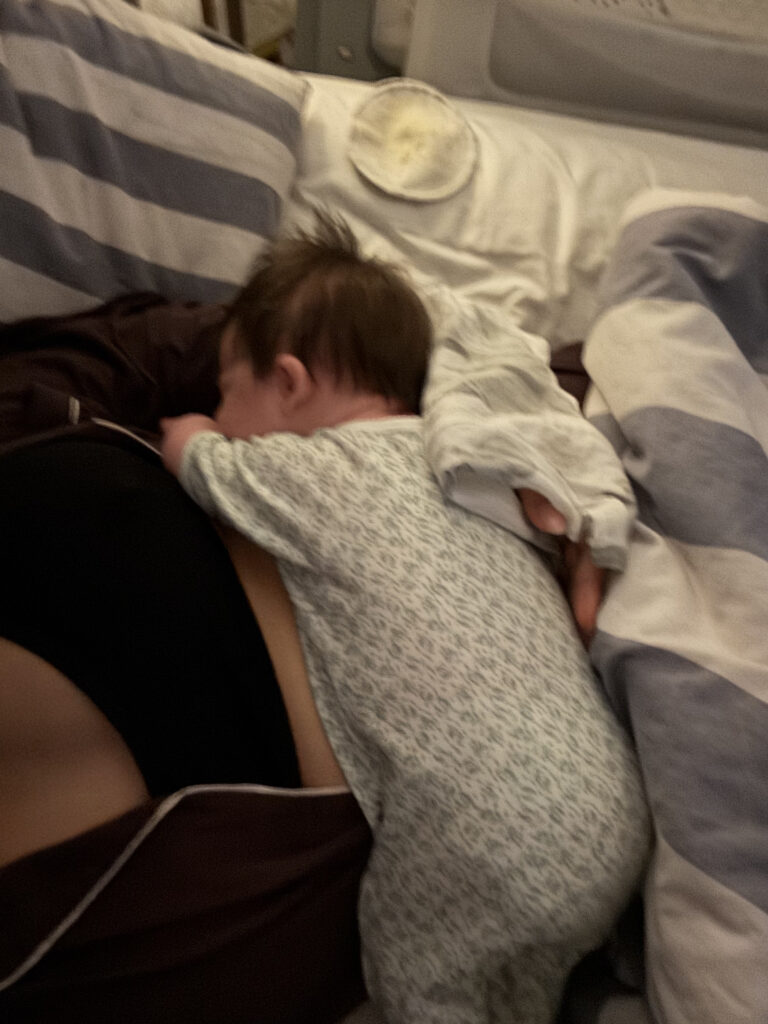
The first three weeks are often the hardest. Your body is recovering from birth, your hormones are fluctuating, and both you and your baby are learning a completely new skill. Many new mums experience nipple pain, latch issues, engorgement, and blocked ducts as their milk supply regulates.
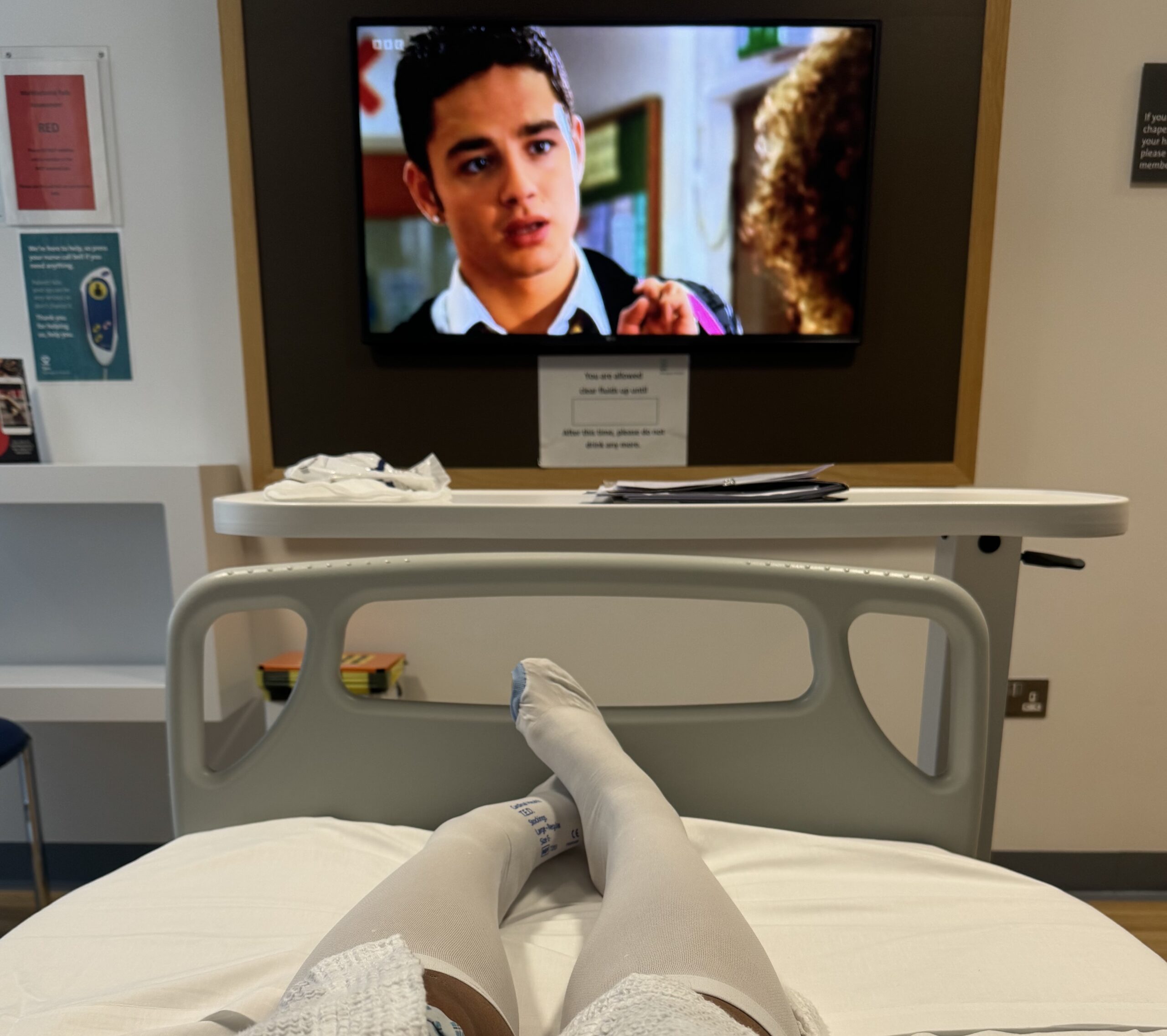
For me, those early weeks included cracked nipples, clogged ducts, and a shallow latch, which made feeding painful and exhausting. I also developed an infection in my breast and needed IV antibiotics. If you suspect mastitis or a breast infection, seek medical help immediately. Symptoms like redness, swelling, fever, flu-like feelings, or increasing pain should never be ignored. Continuing to feed or express milk is often part of treatment, but professional support is essential.
Getting help early can make a huge difference, and many people go on to have a positive experience after a difficult start. Remember, the early days are tough for almost everyone, so do not feel like you are failing.

Pumping Tips for New Mums
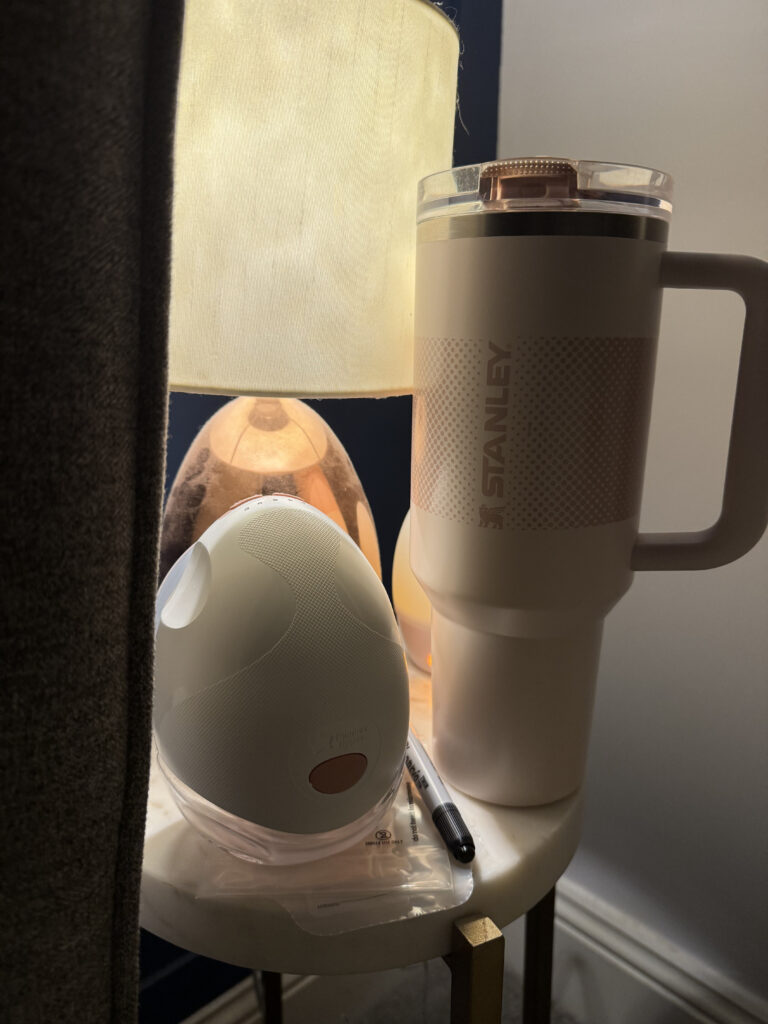
Pumping can be confusing, especially in the first few weeks. Whether you are exclusively pumping or using a pump occasionally, it is important to remember that your milk supply is still being established.
One of the biggest mistakes I made was pumping for too long in the early days. Sitting and pumping for over twenty minutes can overstimulate your breasts and contribute to blocked ducts or nipple pain.
If you are pumping in the first few weeks postpartum:
- Pump for no more than ten minutes per session.
- Focus on gradually increasing supply to match your baby’s intake.
- Make sure your breast pump fits correctly. A poorly fitting flange can cause discomfort and reduce milk removal.
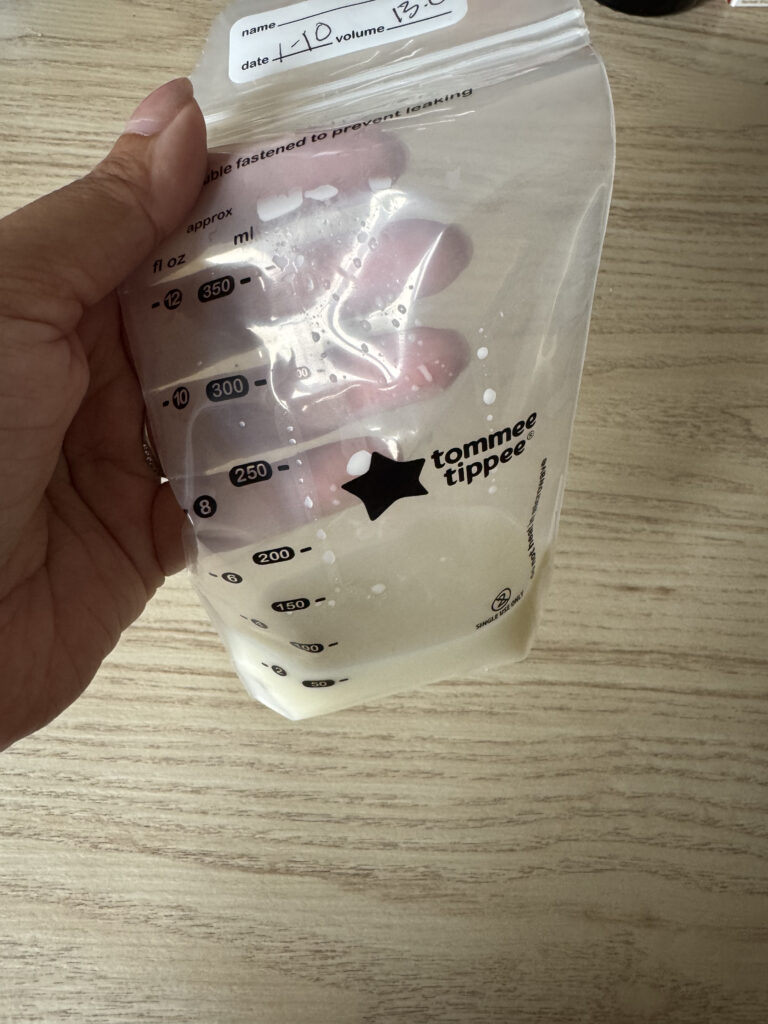
Once your milk supply is established, usually around six weeks postpartum, you can pump for longer periods. Pumping can then be used to build a freezer stash, increase supply, or give your baby extra milk when needed.
Hormones and Emotions
Hormones play a huge role in how you feel during breastfeeding. After birth, hormone levels fluctuate significantly, which can affect mood, energy levels, and emotional wellbeing. Breastfeeding increases prolactin, the hormone responsible for milk production, which can heighten emotional responses. Feeling tearful, overwhelmed, or emotionally sensitive is very common, and it does not mean you are not coping.
Leaving Your Baby for the First Time
One of the hardest emotional milestones for breastfeeding parents is leaving your baby. Breastfed babies often associate comfort with their primary caregiver, not just feeding.
I had planned to leave my daughter with her dad for around nine hours when she was seven weeks old. She would take a bottle and I had stored more than enough milk, but that did not remove the emotional weight of leaving her.
Gradually introducing short periods apart can help both baby and parent adjust. Allow your partner to soothe, settle, and feed your baby. Even with preparation, the first time can still feel overwhelming. I checked the baby camera constantly and was worried every time I got a notification on my phone, but in reality, they were both fine. Once I allowed myself to trust the process, I was able to relax and enjoy the time away.
Key Takeaways for New Mums
-
The first few weeks are the hardest, so be kind to yourself.
-
Seek medical help if you experience mastitis, infections, or severe pain.
-
Pump gradually in the early weeks to avoid overproduction and blocked ducts.
-
Check your pump fits properly for comfort and efficiency.
-
Hormone swings are normal; breastfeeding increases prolactin, which can intensify emotions.
-
Introduce short periods apart before leaving your baby for longer stretches.
With patience, support, and self-compassion, breastfeeding can become easier and more intuitive over time. Every journey is different, and your experience is valid.
This is a personal account, not medical advice. If you are worried about feeding or your health, please seek support from a healthcare professional.


Leave a Reply